
Cinema in Karnali: Possibilities, Challenges, and a Roadmap for Development
Karnali Province, located in the mid-western region of Nepal, is a land enriched with the country’s oldest civilizations, cultural heritage, natural beauty, and immense diversity. As vast as Karnali is in terms of its natural, cultural, and historical significance, it has remained equally overshadowed in terms of modern development.
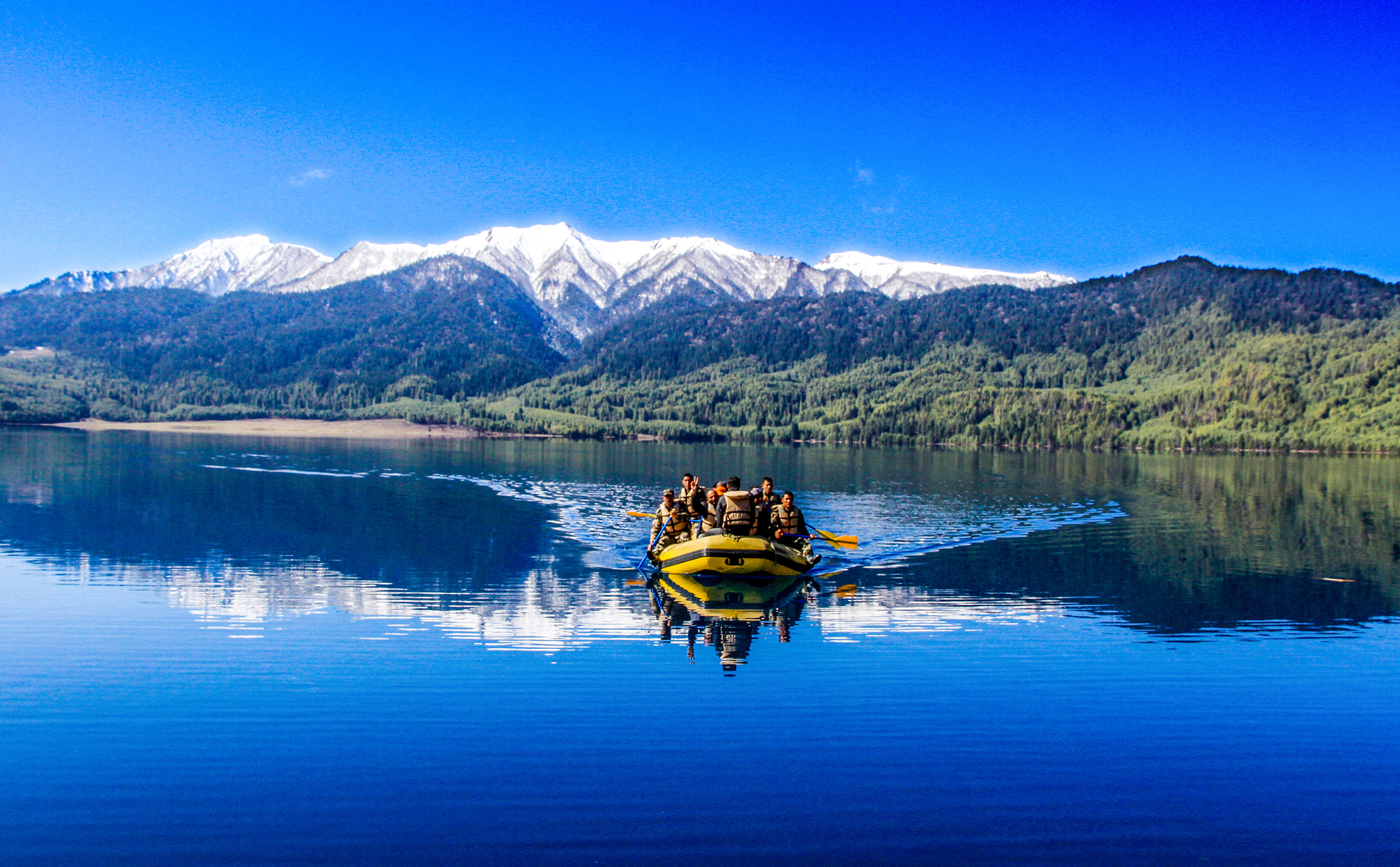
However, in recent times, this “remote” Karnali is emerging as a golden destination for the film industry. Due to its unparalleled natural beauty, original stories, and unique environment, Karnali possesses the potential to become a living, open-air studio—not just for Nepal, but for the global film industry.
Karnali: A Massive Canvas of Nature
The greatest assets of this region are its water, land, and forests. For film production, Karnali is no less than an expensive, high-end movie set. Decades ago, the Oscar-nominated film Himalaya (Caravan) proved the cinematic potential of this region by presenting its lifestyle and rugged geography to the world. Later, films like Prem Geet 2, Shambhala, and Prakash further validated Karnali’s magnificent canvas. The stories, art, lighting, colors, and natural backdrops here offer a distinct attraction for international-standard cinema. It is no exaggeration to say that Karnali is the confluence of cinema and tourism. In the modern era, film is not just entertainment but the most powerful medium for tourism promotion. Films shot in Karnali can take its tourist destinations to a global audience.
Hidden Original Stories and Cultural Treasures
There is a high demand for realistic and original stories in the international market today. Karnali holds thousands of such untold stories. The lifestyle of the people, their struggles, indigenous traditions, the pain of migration, and the impact of climate change can serve as powerful plots for world-class cinema. The stories of Karnali do not just color the screen; they highlight deep human emotions and global issues.
Barriers to Development and Challenges
Despite such immense potential, the state has continued to push Karnali behind. Lack of infrastructure, transport difficulties, a shortage of quality hotels, and limited communication access make film shooting expensive and complicated. Furthermore, the absence of modern equipment and skilled local technical manpower makes it difficult to produce high-quality films locally. Private investors are still hesitant to invest here, and there is a lack of clear subsidies or policy support from the government. Administrative hurdles and restrictive policies often discourage foreign filmmakers instead of welcoming them.
Roadmap to Establish Karnali as a Film Hub
To transform Karnali into a cinematic hub, the following steps are essential:
-
Policy Reforms: Simplify the filming process through tax exemptions, grants, and a “One-Window System” to encourage film tourism.
-
Subsidies for Domestic Films: The state should announce various subsidy packages and collaborations to attract national filmmakers.
-
Local Human Resource Development: Conduct workshops and training to develop local youth as actors and technicians, thereby creating employment opportunities.
-
International Collaboration: Strategize to co-produce films with international production houses and bring Karnali’s stories to global OTT platforms.
-
Open Film City & Infrastructure: Identify locations like Rara (Mugu), Jumla, or Mahabu (Dailekh) as open studios. Develop road access, communication, and basic infrastructure in these areas.
-
Establishment of a Location Bank: Create a digital profile with photos and videos of potential shooting sites so directors can scout locations remotely.
-
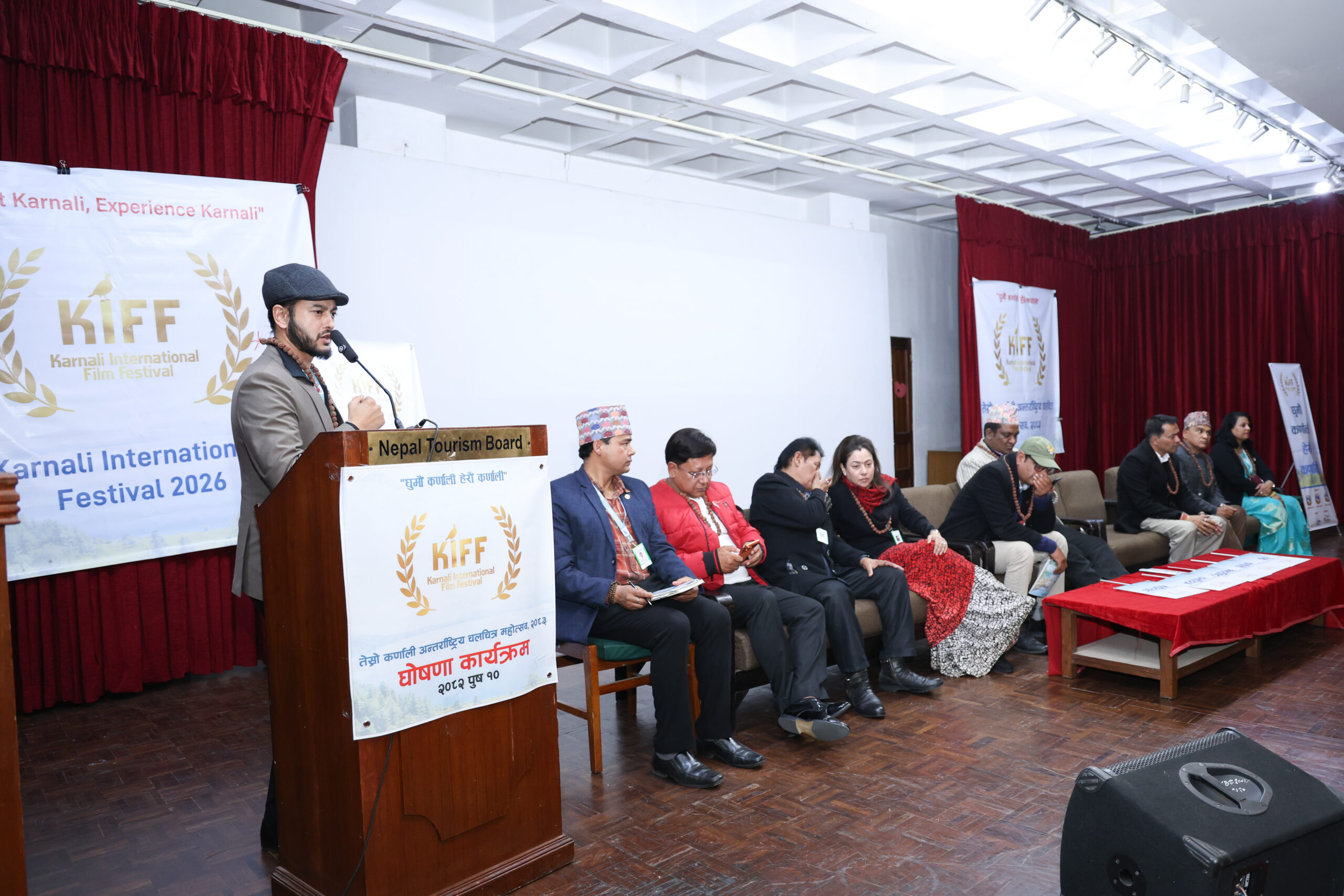
Film Festivals and Awards: Organize international film festivals or award ceremonies amidst the beauty of Karnali to grab the attention of filmmakers worldwide.
-
Researching Indigenous Stories: Provide fellowships to writers to adapt Karnali’s countless folklores and Himalayan life into professional screenplays.
Conclusion
Karnali is not just a pile of snow and mountains; it is a mine of stories and an ocean of possibilities. If focus is given to correct policies, infrastructure, and talent management, Karnali can transform the economic and cultural face of Nepal through cinema. Film is a mirror, and Karnali is ready to reflect its magnificent form in that mirror. What is needed now is the integrated effort of the state and the private sector.
With a new majority government in place and a Prime Minister who is himself an art lover, I am confident that Karnali’s immense potential will finally receive justice. I believe Karnali will prove to be a milestone for the economic prosperity of the nation.
Chakra Bahadur Chand Director, Karnali International Film Festival Film Producer & Social Activist


Leave a Reply